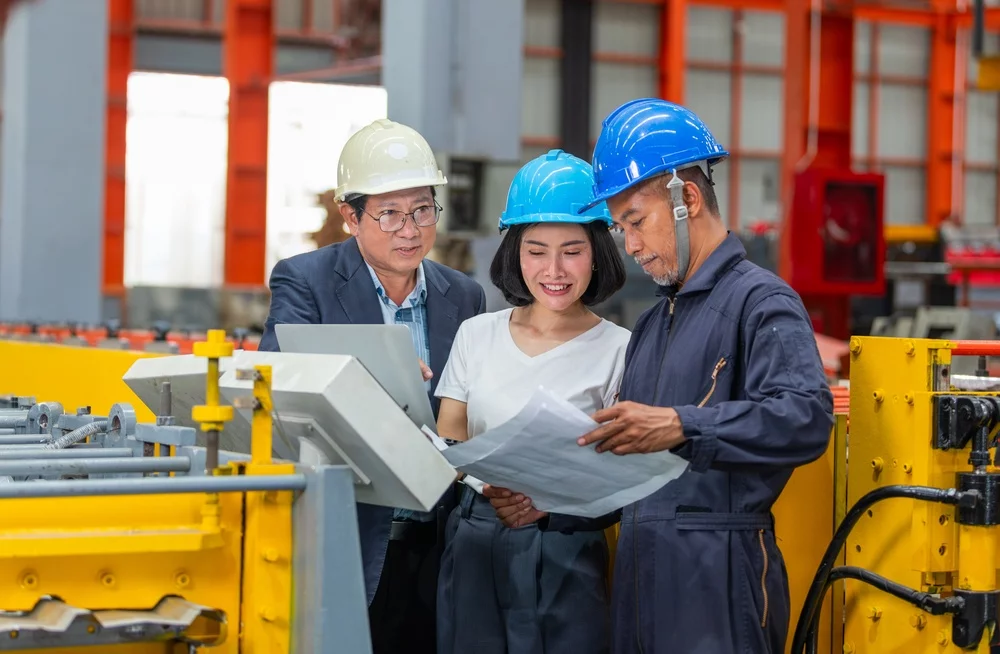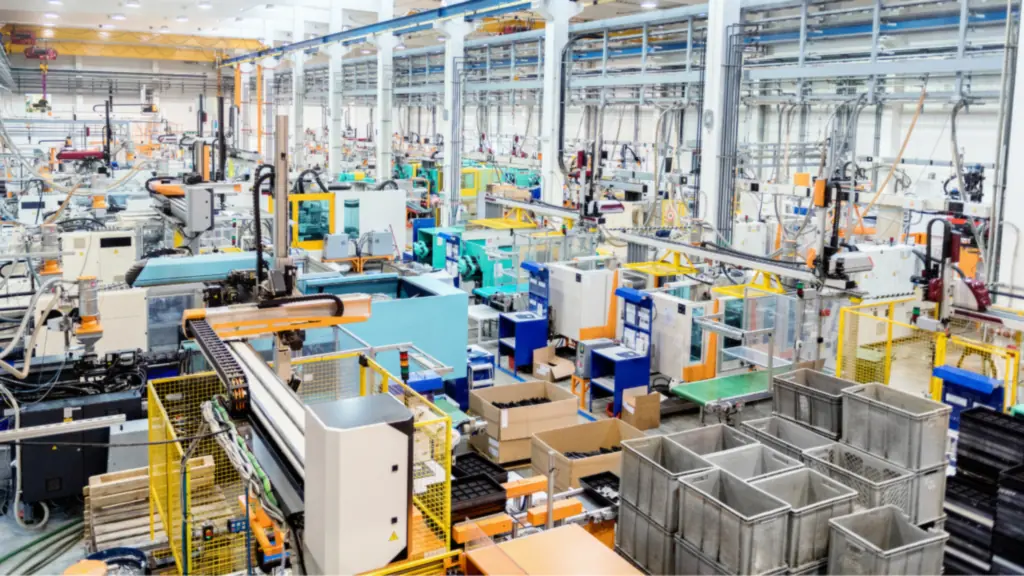

- Product development covers everything from research and material selection to testing, costing, factory matching, and launch preparation.
- A partner differs from a factory by evaluating the brand’s needs first, then matching the project to the right manufacturing capabilities.
- Clear specifications, prototyping, testing, and factory validation reduce the risk of expensive production problems later.
- Full-service support is most valuable when a brand enters a new category, scales volume, or lacks internal manufacturing expertise.
- Brands should evaluate pricing, accountability, IP ownership, QC processes, and where a partner’s responsibility actually ends.
A product that looks ready for production on paper can still be a long way from success. For example, the design may need clearer tolerances, or the first sample may not scale cleanly. Much of the time, the factory that offers you the fastest or most competitive quote might, in fact, lack the equipment and category experience your program requires. Sometimes you don’t recognize these issues until you’ve already invested in tooling, committed to a launch date, or even placed an order.
That’s why many businesses choose to work with a product development partner, whose job it is to connect each decision to factors like manufacturability, cost, timing, quality control, packaging, and the demands of the sales channel. Ultimately, that additional layer creates a more reliable path from a promising idea to a successful product that can be produced consistently at commercial scale.
If you’ve handed a finished design over to a factory only to receive disappointing results, you might benefit from working alongside a product development partner. Here’s more on that process and what to expect.
What Is Product Development?
Product development is the process that turns a market opportunity into a physical product that a manufacturer can produce consistently and that, ultimately, a customer will buy. The product development process can include research, design, material selection, engineering, prototyping, testing, costing, factory selection, production preparation, and launch support.
Product management is similar, but slightly different than product development. A product manager usually owns the assortment, roadmap, positioning, performance, and lifecycle portions of the process. A development partner turns those commercial priorities into a physical product and a viable production plan.
In consumer product development, every decision connects to the next one. A material change can alter tooling, durability, packaging, unit cost, freight, and lead time. Factors such as market validation, prototypes, material selection, and durability testing should always be part of a complete development program, not isolated tasks.
What Does a Product Development Partner Do Differently Than a Factory?
A factory makes products within its equipment, workforce, material, and capacity limits. A capable factory may offer useful production advice, but it ultimately evaluates the product through the lens of what that facility can already sell and make.
A product development partner should start with the brand’s requirements, then determine which material, process, and factory will serve them best. The right factory isn’t “best” in the abstract. It’s the factory with the appropriate tooling, category experience, finishing standards, capacity, certifications, and quality systems for that program.
Sometimes, working directly with a factory is enough. However, when a product crosses materials or includes several components, independent factory matching becomes especially important. East West Basics evaluates the required factory capabilities before placing a program, rather than asking one familiar supplier to stretch beyond its strengths.
A full-service partner also stays involved after the introduction. It coordinates specifications, quotes, sampling, revisions, approvals, production, quality control, and shipment readiness. Without that continuity, the brand still owns every risky handoff.
Which Product Development Phases Should a Full-Service Partner Manage?
The new product development process isn’t always straightforward. Samples tend to expose questions, and cost targets often force tradeoffs. The testing process sometimes sends the team back to a material or construction decision, requiring more research. Your product development partner will manage those many loops while maintaining all of the approved requirements.
1. Define the Commercial Brief
Those new to product development might assume that all they need to get started is a sketch. For the best results, however, the team needs to understand:
- The target customer
- Intended use
- Sales channel
- Target retail and landed cost
- Expected volume
- Launch date
- Compliance needs
- Non-negotiable features
Essentially, this brief gives the team a decision filter. A premium DTC product, a QVC item, and a big-box program generally require different packaging, margins, presentation, testing, and production volumes, even when the core idea looks similar.
2. Build Production-Ready Specifications
The partner translates design intent into dimensions, tolerances, materials, components, finishes, performance requirements, packaging details, and approval criteria. The product design process should resolve ambiguity before a factory interprets it on the production floor.
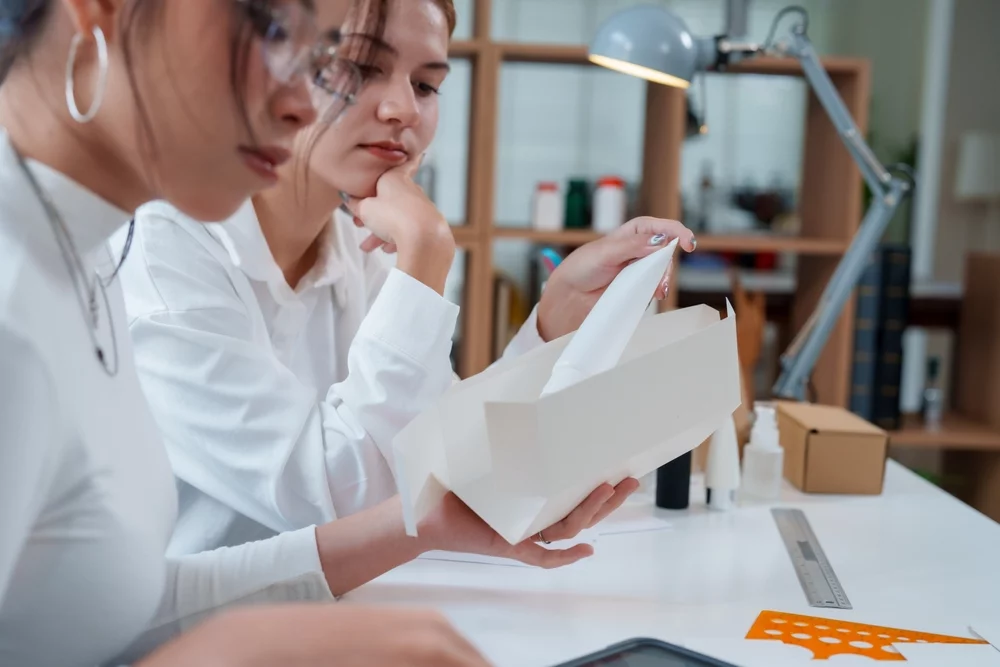
Safety and compliance also come into the process at this stage. While it may seem early, the Consumer Product Safety Commission recommends safety by design, detailed specifications, reliable suppliers, and ongoing checks rather than saving safety concerns for the final inspection.
3. Prototype, Sample, and Test
Early prototypes test function and proportion. Later samples test actual materials, construction, finishes, packaging, and manufacturing feasibility. The partner should document every revision and define which sample becomes the approved production standard.
Though it can feel frustrating at the time, a sample that reveals a weakness has done useful work. The more expensive failure only happens when the team approves a beautiful sample without confirming that the factory can actually repeat it at volume.
4. Match the Factory and Validate the Economics
The partner compares tooling, minimum order quantities, pricing, capacity, lead time, audit requirements, and production risk. Unit price is a consideration, but not the only one. Rework, delays, rejected inventory, or emergency freight can erase an attractive quote quickly.
5. Manage Scale-Up and Quality
The product development process isn’t supposed to end abruptly just because the brand approves a sample or issues a purchase order. A full-service partner should track production milestones, compare materials and workmanship against the approved standard, and correct problems while the factory can still contain them.
It should also coordinate packaging, labeling, testing, documentation, and shipment preparation. A partner that exits before mass production leaves the brand exposed at the stage where small inconsistencies become thousands of unsellable units.
Can a Partner Help With an Unfinished Concept?
You don’t need final drawings before working with a product development partner, but you do need a defined commercial opportunity. Bring the customer problem, intended use, target price, expected volume, sales channel, must-have features, and any early sketches or reference products.
A good partner will challenge features that add cost without enough customer value, flag materials that won’t perform as expected, and tell you when the target price conflicts with the design. That sort of candid feasibility guidance protects the brand before it commits to tooling or inventory.
When Should a Brand Hire a Product Development Partner?
A full-service partner may be the right choice for you if:
- You’re entering a new category, material, or manufacturing country.
- Your concept looks complete, but it lacks production-ready specifications.
- Your samples keep changing or don’t translate consistently into larger runs.
- A retail opportunity requires more volume, testing, packaging, or documentation than your current process can support.
- Your internal team spends too much time coordinating designers, factories, inspectors, and logistics handoffs.
A brand with experienced internal engineers, proven factories, and its own overseas production team probably doesn’t need that level of full-service support. The model creates the most value when a manufacturing mistake could threaten margin, timing, inventory, or an important customer relationship.
How Should You Evaluate Cost and Accountability?
When you’re ready to begin a new collaboration with a product development partner, ask what the quoted model actually includes. Some providers separate design, engineering, samples, sourcing, inspections, and production management. A low development fee can leave your team paying for (and, ultimately, managing) the most consequential stages later.
Here are some questions to ask before committing to a partnership:
- Who owns the specifications and intellectual property?
- How does the partner select factories?
- Who monitors production?
- When do quality checks occur?
- What happens if finished goods don’t match the approved standard?
- Does the service end at a design file, an approved sample, the factory door, the port, or final delivery?
East West Basics doesn’t charge upfront retainers, sourcing fees, or sample costs. Its pricing sits within the cost of goods, so the company earns when it successfully delivers the approved product. The structure keeps the focus on a production outcome, not a completed design handoff.
Develop a Product That Can Perform at Scale With East West Basics
East West Basics combines a U.S.-based product and brand strategy team with more than 50 specialists across Asia. The team can refine an unfinished concept or begin with an approved design, then guide materials, specifications, factory matching, sampling, production oversight, quality control, and shipment coordination.
You keep control of the decisions that define the product. East West Basics manages the manufacturing work required to reproduce those decisions at commercial volume—and remains accountable after the factory receives the purchase order.
Partner with our product development team today.