
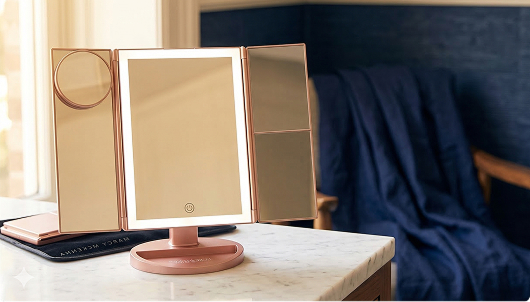
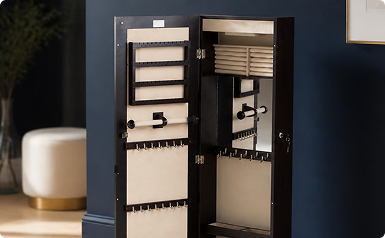
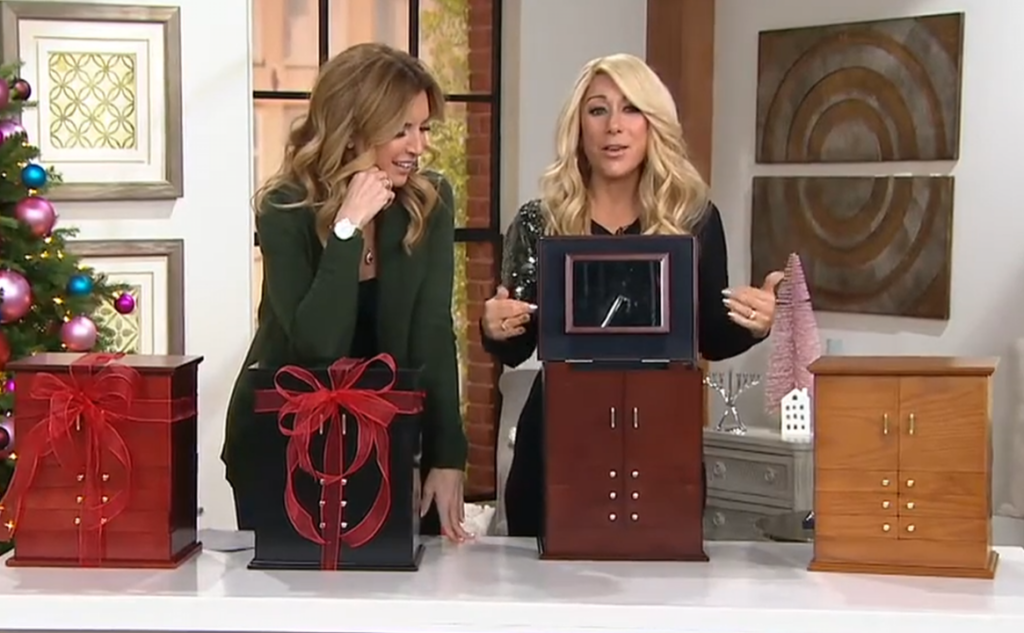
Marcy McKenna is an inventor, television personality, and founder of the Marcy McKenna Home & Travel Collection. Her product line — sold on HSN and QVC — focuses on thoughtfully designed solutions for organization and travel, combining functionality with a clean, polished look. Over more than a decade, she has developed cosmetic cases, jewelry organizers, travel accessories, and luggage solutions that address everyday problems for consumers.
As both the creative lead and on-air face of the brand, Marcy’s focus has always been on product innovation and customer connection. But bringing those ideas to life at a retail level required operational capabilities that went well beyond design — particularly in manufacturing, logistics, and quality control.
When Marcy set out to scale her business within televised retail, her objectives were clear:
These goals required not just execution, but consistency — across both product quality and timing.
Early in her retail journey, Marcy hit a critical breakdown between product development and manufacturing execution.
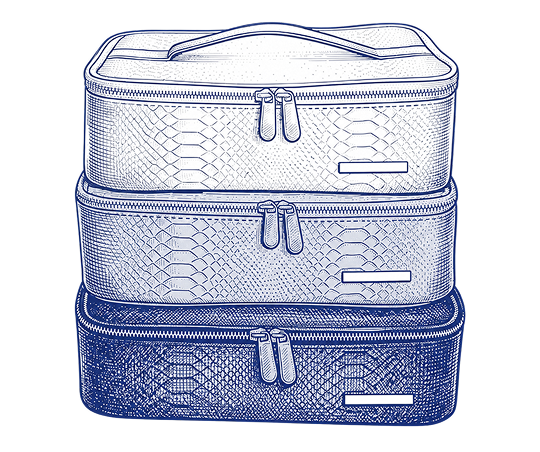
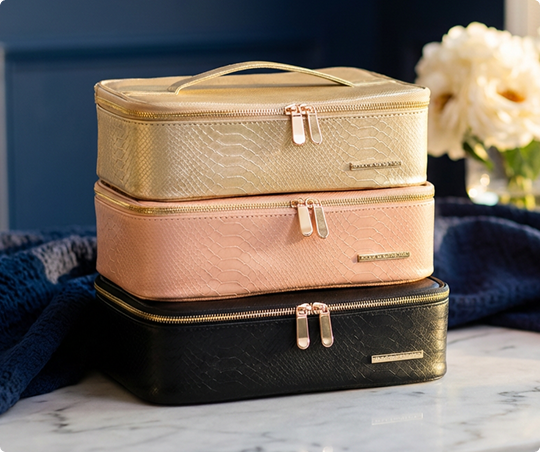
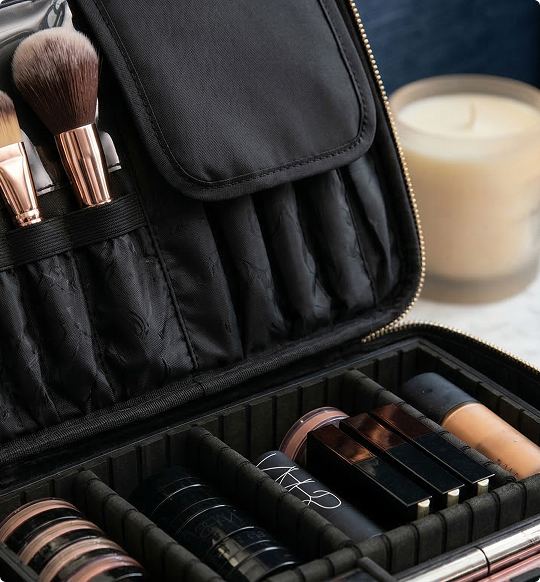
After presenting a customizable cosmetic case to QVC, the response from buyers was immediate. The product secured an opening order of 10,000 units, along with additional purchase orders for complementary items — resulting in a full branded hour of airtime. For an emerging brand, this was a make-or-break opportunity.
Without an established manufacturing partner, Marcy moved quickly to source a factory through a recommendation. Initial samples were approved and production began. But when the finished units arrived, the quality had shifted substantially from the approved prototypes. Materials were separating and peeling. Hardware and trims were incorrect. Finishes were inconsistent, with visible construction defects throughout.
The product was unsellable.
Marcy informed her QVC buyer, and the entire branded hour was cancelled — not just for the cosmetic case, but for every item in the assortment built around it. The manufacturer later issued a partial refund, but Marcy absorbed a significant financial loss and, more critically, lost the momentum of a major retail launch.
The experience made one thing clear: retailer demand and a strong product concept mean nothing without reliable manufacturing behind them.
The failure exposed a set of gaps that are common among emerging brands entering large-scale retail.
Marcy had strong product-market fit and retailer validation, but lacked the infrastructure to consistently deliver at that level. There was no formal process for vetting factories. No system for in-line quality control during production. Limited visibility into QVC and HSN’s specific compliance, testing, packaging, and labeling requirements. And no integrated approach to managing timelines from production through delivery.
Retailers don’t provide sourcing support or approved factory networks. Brands are expected to arrive fully operational, with manufacturing already aligned to retail standards. Many emerging brands find themselves in exactly this position — having secured retail demand, but without the systems to fulfill it reliably.
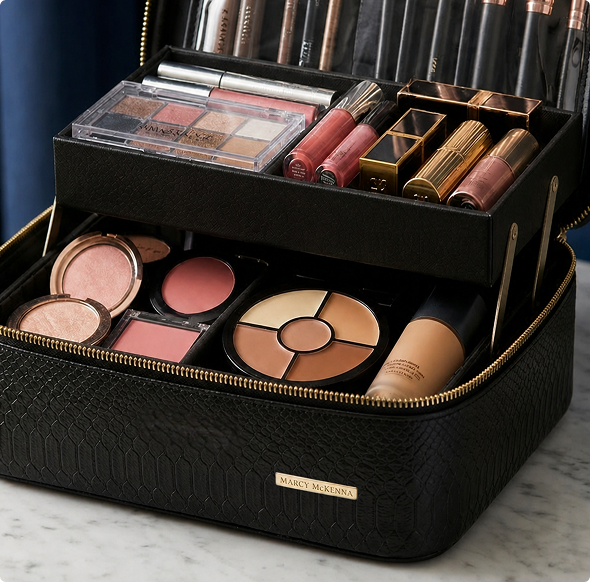
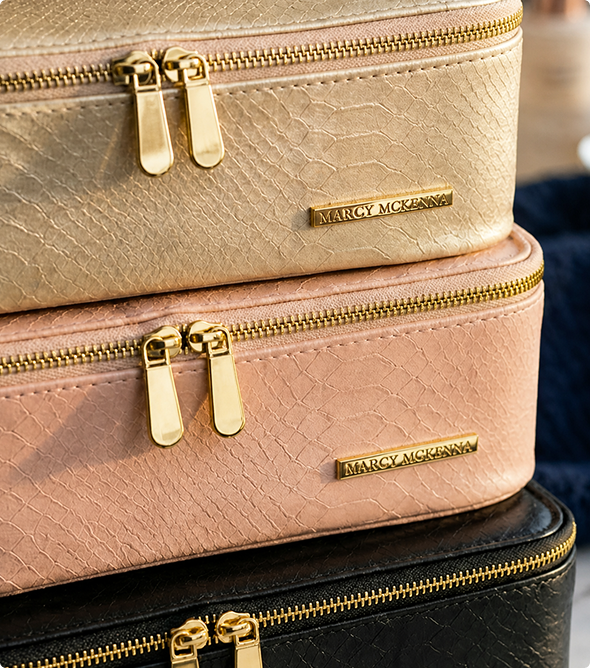
Marcy’s introduction to East West Basics came indirectly, after identifying a well-made product at retail and tracing it back to its source. That connection led to a fundamentally different approach to how her products were developed, produced, and delivered.
One of the first shifts was building backward from retail deadlines rather than forward from design. EWB integrated QVC and HSN’s full set of requirements — packaging standards, compliance documentation, warehouse intake specs — into the production timeline from the start. This meant fewer surprises at the finish line and a more predictable path from concept to air date.
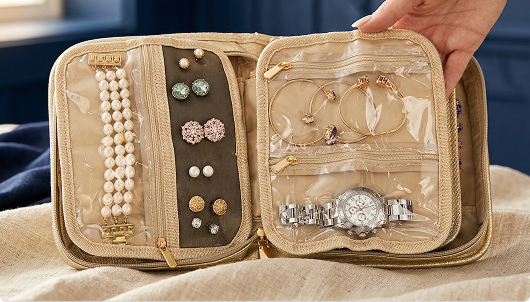
A telling example came during development of Marcy’s Jewelry Portfolio, which included multiple clear vinyl pockets. During production, EWB’s team identified a potential issue: heat exposure during transit could cause the vinyl to adhere to underlying materials, resulting in permanent discoloration. This wasn’t part of the original design specs and could easily have gone unnoticed until units were already in a warehouse, or worse yet, in the customers’ homes.
Production was paused while the team evaluated options and implemented a fix — a protective barrier within each pocket. The adjustment was relatively minor, but it prevented what would have been a full product failure at retail.
This kind of early intervention became the norm rather than the exception. Quality oversight shifted from a final inspection step to a continuous process, with checkpoints throughout production that caught and corrected issues when they were still manageable.
The cumulative effect of these changes reshaped Marcy’s business over time:
The business moved from reactive problem-solving to a structured, repeatable operating model.
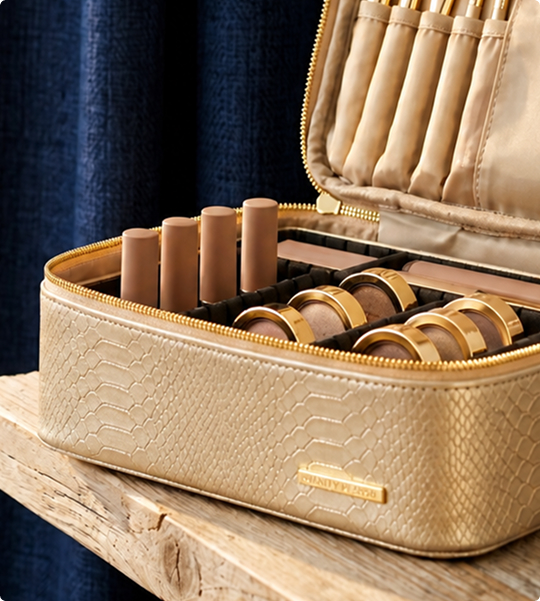
The cosmetic case that cost Marcy a full branded hour on QVC eventually became one of her signature products. That turnaround didn’t come from a redesign — the product was always strong. It came from having the right manufacturing partner behind it.
For brands operating in high-stakes retail environments, the line between a breakout launch and a cancelled order often comes down to execution — not the idea, but the ability to deliver it at scale, on time, and to spec, every time.


Whether you’re developing a new product line, expanding into new categories, or looking for a manufacturing partner who understands your market, we’d like to hear about your project.